

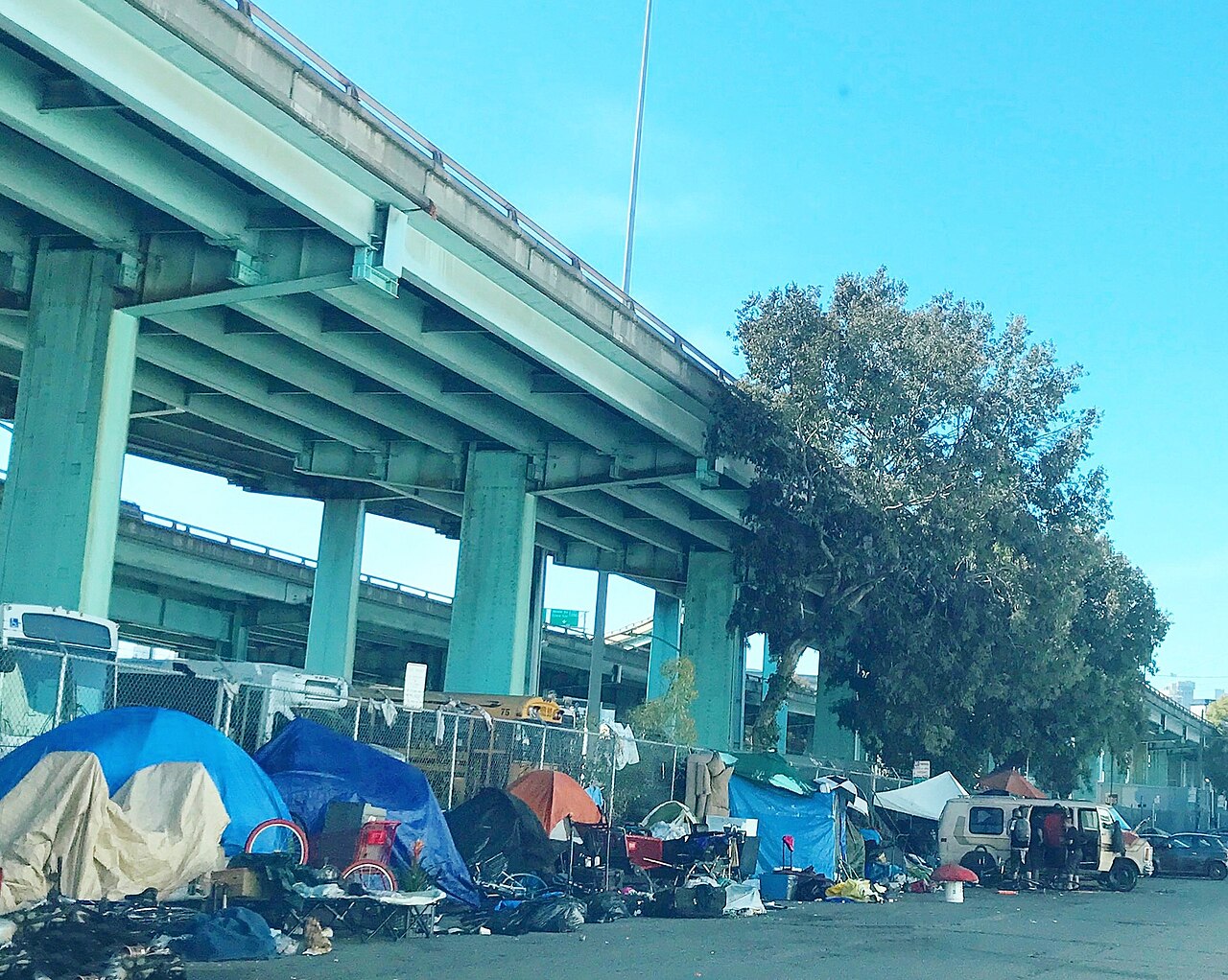
City audit reports and state investigations reveal a pattern of fiscal noncompliance, missing funds, and zero accountability among the non-profit organizations contracted to solve San Francisco’s homelessness crisis. The money was spent. The crisis got worse.
The HomeRise Scandal
In April 2024, the San Francisco Controller’s Office released an audit of HomeRise, a housing nonprofit that receives substantial city funding to provide supportive housing services. The findings were extraordinary: gross fiscal noncompliance, wasteful practices misusing taxpayer funds, bonuses and gifts to staff funded by public contracts, and a fundamental absence of financial controls and oversight.
The audit covered the period from 2019 to early 2023 — years during which San Francisco was pouring unprecedented resources into its homelessness response. HomeRise was not an outlier. It was emblematic of a broader pattern: city agencies contracting with non-profits that could not meet basic accounting standards, then failing to detect the problems until long after the money was spent.
The $87 Million Problem
The Controller’s investigation identified $87 million in city contracts awarded to non-compliant nonprofits — organizations that had failed audits, missed reporting deadlines, or demonstrated material weaknesses in their financial management. Despite these red flags, the contracts continued. The money kept flowing. And the Department of Homelessness and Supportive Housing, which administered most of these contracts, lacked the internal capacity to conduct meaningful oversight.
The Statewide Picture
San Francisco’s problems are a microcosm of a statewide failure. A 2024 California State Auditor report found that the state had spent $24 billion on homelessness and housing programs between 2018 and 2023 — with minimal measurable progress. The auditor noted a lack of tracking data past 2021, meaning the state couldn’t even determine whether its spending was producing results because it had stopped measuring.
The San Francisco Department of Homelessness and Supportive Housing operates with a budget exceeding $1.5 billion for the 2025-2027 two-year cycle. Despite this investment — which works out to roughly $180,000 per homeless individual — nearly 8,300 people remain homeless in the city as of 2024. The count has not meaningfully declined despite years of record spending.
The Accountability Void
The structural problem is straightforward. San Francisco outsources its homelessness response to a network of non-profit service providers. These providers receive public funds through contracts administered by city agencies. The agencies lack sufficient staff to audit the providers. The providers know this. And the political class — which has staked its credibility on the narrative that spending more money will solve the crisis — has little incentive to publicize the failures.
The result is a system where non-profit executives can distribute bonuses and gifts to staff using public funds, where organizations can fail basic audits and continue receiving contracts, and where $24 billion can be spent over five years without anyone being able to demonstrate measurable improvement.
The Non-Profit Industrial Complex
San Francisco’s homelessness non-profit ecosystem has become a self-sustaining industry. Organizations that were created to solve a problem have developed institutional incentives to perpetuate it. Staff salaries, office leases, and organizational overhead depend on continued funding. Continued funding depends on continued crisis. A non-profit that actually solved homelessness in its service area would be putting itself out of business.
This is not a conspiracy — it’s an incentive structure. And until San Francisco restructures its contracting model to require measurable outcomes, independent auditing, and real consequences for fiscal noncompliance, the billions will continue to flow and the tents will continue to multiply.
Eduardo Bacci is an investigative journalist at The Investigative Journal. Data sources include Legislative Analyst’s Office homelessness reports, SF Controller’s Office audit reports, and California State Auditor findings.