

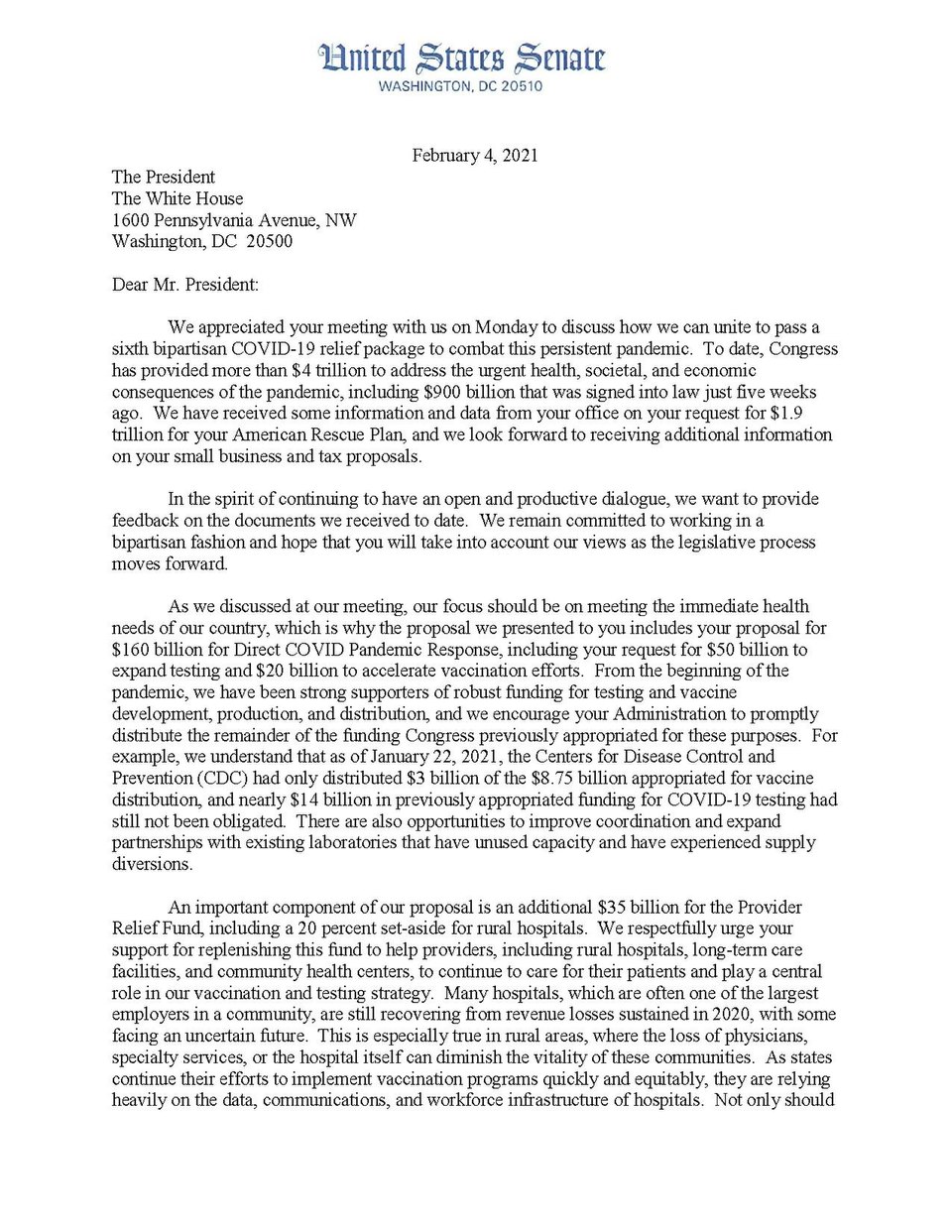
With the December 31, 2024 obligation deadline looming, municipalities across the country raced to commit billions in American Rescue Plan funds — some on legitimate projects, many on wish-list items that had nothing to do with pandemic recovery. A forensic look at the last-minute spending spree.
The Deadline
The American Rescue Plan’s State and Local Fiscal Recovery Funds program distributed $350 billion to over 30,000 recipient governments across the country. The rules were specific: funds had to be obligated — meaning contractually committed — by December 31, 2024. Any unobligated money would be returned to the U.S. Treasury.
For large local governments with populations over 250,000, the Pandemic Response Accountability Committee tracked commitments through 2023. By June 2023, these Tier 1 governments had committed roughly $17.8 billion of their allocations. But for thousands of smaller municipalities, the tracking was less rigorous and the spending decisions were less scrutinized.
The Scramble
As the deadline approached, the pattern was unmistakable: municipalities that had been sitting on unspent ARPA funds suddenly discovered urgent needs. Housing programs, community violence initiatives, mental health services, and substance abuse programs — all legitimate uses under the program’s broad guidelines — received hastily assembled contracts designed to obligate remaining funds before the clock ran out.
The National League of Cities guidance to municipalities reflected the urgency: detailed instructions on what constituted a valid “obligation,” how to structure contracts to meet the deadline, and what reporting requirements would follow. The message was clear — use the money or lose it.
But the line between legitimate pandemic recovery spending and opportunistic budget padding is thin. A city that uses ARPA funds to expand mental health services for populations affected by the pandemic is within the program’s intent. A city that contracts for a new community center renovation and labels it “pandemic recovery infrastructure” is technically compliant but stretching the spirit of the law.
The Treasury Warning
The Treasury Department, apparently aware that the deadline would produce creative accounting, issued notices to SLFRF recipients expressing its intent to “vigorously monitor obligation methods and recoup funds used in violation of rules.” Reporting deadlines were staggered: quarterly reporters faced a January 31, 2025 deadline; annual reporters had until April 30, 2025.
The enforcement mechanism, however, is retrospective. The Treasury can audit and claw back misspent funds after the fact, but it cannot prevent the rush-to-obligate dynamic that the deadline creates. Municipalities know they can explain their spending decisions later; they cannot get the money back if they miss the deadline.
The Expenditure Window
Even after the obligation deadline, municipalities have until December 31, 2026 to actually spend the committed funds. This two-year expenditure window means that contracts signed in the final days of 2024 don’t need to be completed for another two years — creating opportunities for scope changes, cost overruns, and project modifications that further distance the spending from its original pandemic recovery purpose.
The Accountability Gap
The $350 billion SLFRF program represents one of the largest federal-to-local transfers in American history. The speed of distribution, the breadth of eligible uses, and the sheer number of recipient governments — over 30,000 — created an accountability challenge that neither the Treasury Department nor local oversight bodies were equipped to handle.
For taxpayers, the December 2024 deadline produced a predictable outcome: billions in last-minute spending, much of it on projects that would never have been funded under normal budgeting processes, justified by the simple logic that spending the money was better than returning it. Whether that logic serves the public interest — or merely serves the political interests of officials who don’t want to explain returning federal funds — is a question the auditors will be answering for years.
Eduardo Bacci is an investigative journalist at The Investigative Journal. Data sources include USASpending.gov, Treasury SLFRF guidance documents, PRAC tracking data, and National League of Cities publications.