

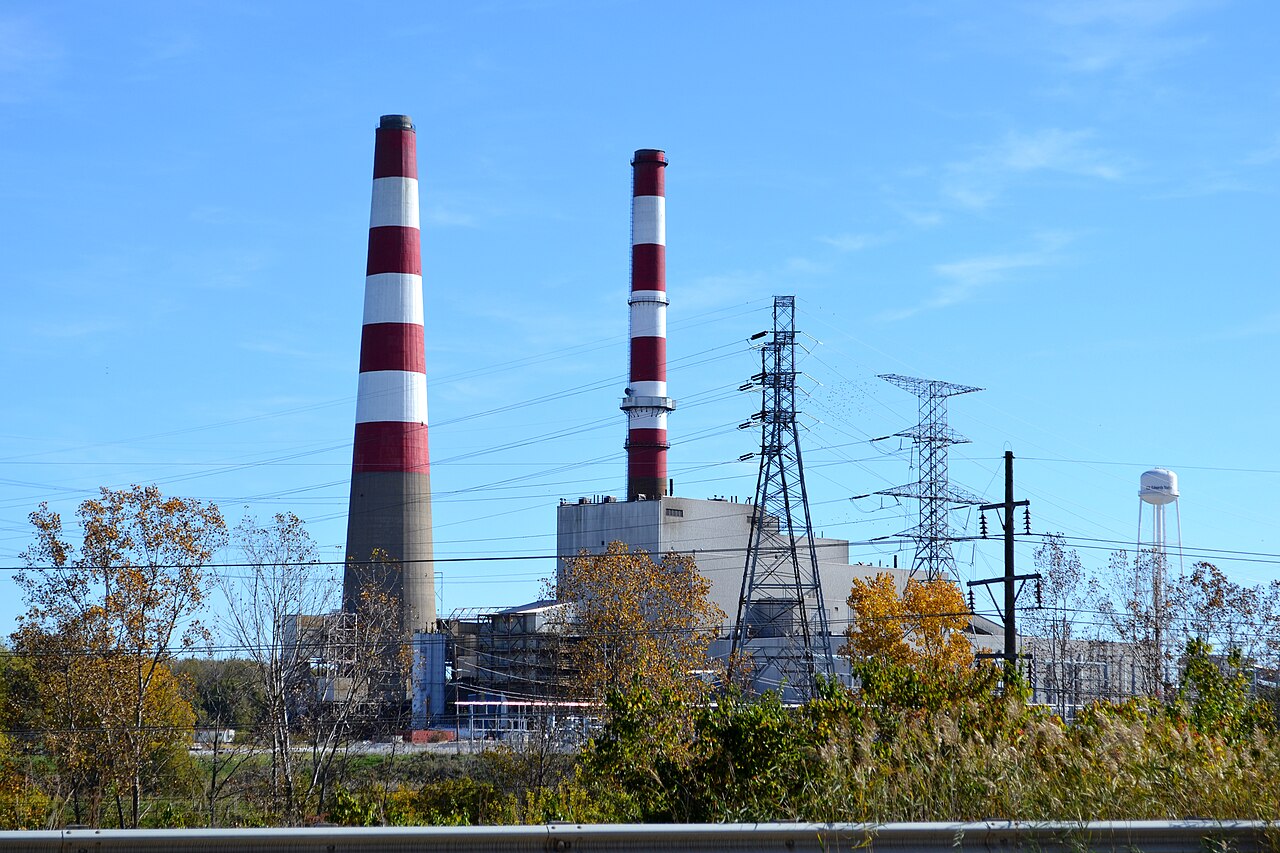
Energy Information Administration data and DOE emergency orders reveal that the companies preaching carbon neutrality are quietly depending on coal-fired electricity to power their AI data centers — extending the lives of plants that were scheduled to close.
The Coal Revival Nobody Talks About
Five coal-fired power plants that were scheduled for retirement have been ordered to remain operational under DOE emergency orders — and the primary driver isn’t energy security. It’s artificial intelligence.
The J.H. Campbell Generating Station in Michigan has absorbed $135 million to keep running, with ratepayers bearing the cost. The Craig Generating Station and R.M. Schahfer plant in Indiana were ordered to stay open past their end-of-2025 retirement dates. In West Virginia, the Mountaineer Power Plant received $87.7 million in upgrade funding, while the Amos Power Plant received $34 million. Ohio’s Cardinal Plant absorbed $97 million. By February 2026, the DOE had approved an additional $175 million to upgrade seven more coal plants through public-private partnerships.
The Health Cost
The Campbell plant alone is estimated to cause 44 deaths per year and over 450 asthma attacks annually in surrounding communities. Its 2024 emissions included 8.9 million tons of CO2, 5,424 tons of sulfur dioxide, 3,232 tons of nitrogen oxides, and 62.8 pounds of mercury. These are the externalities of AI — paid not by the tech companies that consume the electricity, but by the communities that breathe the air.
The Energy Equation
The International Energy Agency reports that global data centers consumed 200 terawatt-hours of electricity in 2024 — equivalent to powering Thailand. Goldman Sachs projects that AI will account for 28% of the global data center market by 2027, with Fortune documenting how Big Tech’s climate change goals are increasingly at odds with the fossil fuel demands of their AI infrastructure.
The energy mix powering data centers includes natural gas (over 40%) and coal (approximately 30% globally). As NPR reported, Google’s data center growth has driven environmental electricity demand far beyond what renewable energy purchases can offset. The gap is filled by fossil fuels — increasingly by coal plants that were supposed to be closing.
The Corporate Climate Fiction
Google, Microsoft, Meta, and Amazon all publish elaborate sustainability reports claiming progress toward carbon neutrality. These claims rely on renewable energy certificates (RECs) — essentially paper credits that allow a company to claim its electricity is “renewable” even when the actual electrons powering its servers come from a coal plant on the same grid.
The REC system creates a comfortable fiction: tech companies get to claim green credentials while the coal plants that actually power their operations continue emitting. The atmosphere doesn’t care about accounting conventions. It cares about the 8.9 million tons of CO2 coming out of the Campbell plant’s smokestacks to keep AI chatbots online.
The companies building the AI future have a choice: invest in genuine zero-carbon generation (nuclear, geothermal) at the scale their growth demands, or continue relying on coal while marketing themselves as climate leaders. So far, the marketing is winning.
Eduardo Bacci is an investigative journalist at The Investigative Journal. Data sources include EIA electricity data browser, DOE emergency orders, Greenpeace coal plant analysis, and IEA AI energy reports.