

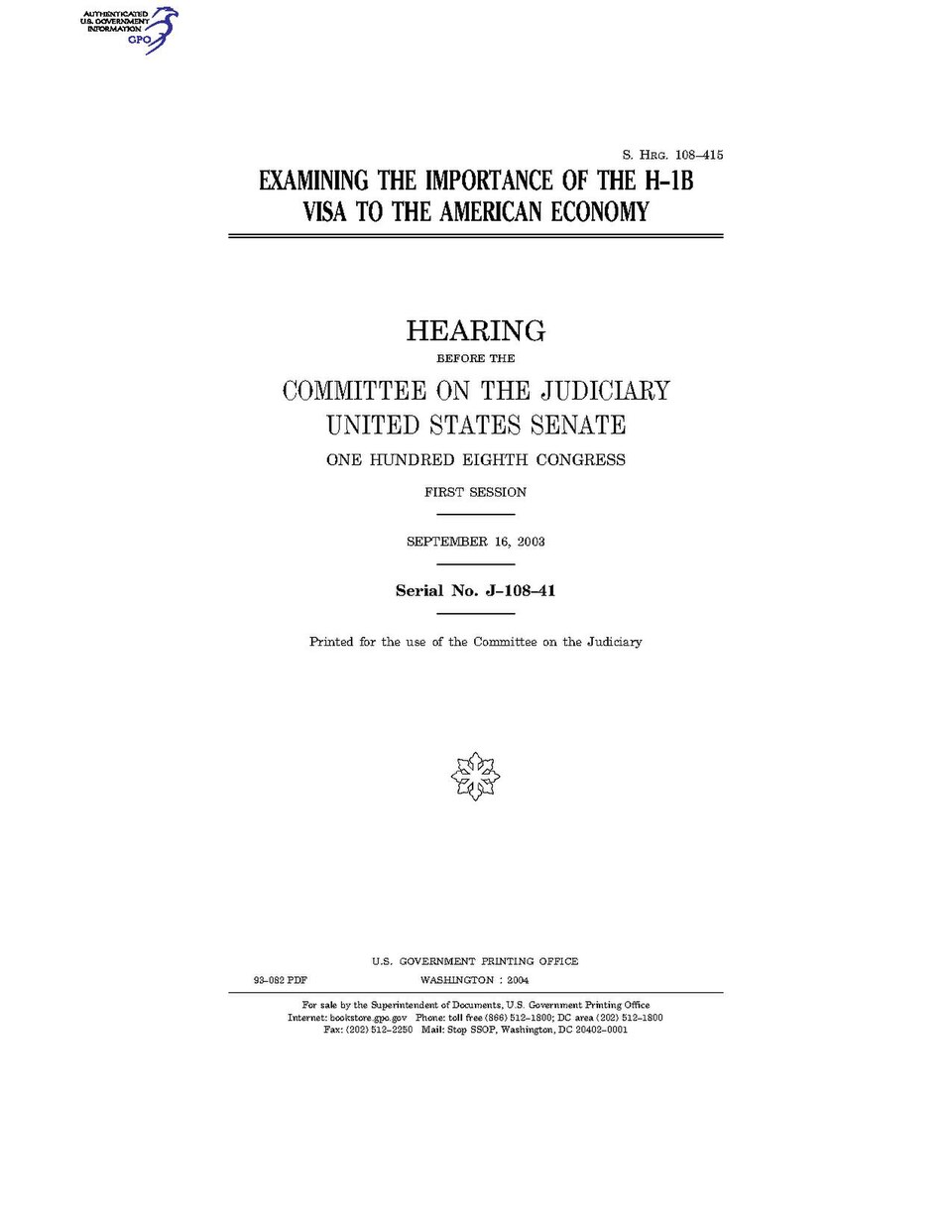
Department of Labor H-1B visa application databases cross-referenced with WARN Act layoff notices reveal a troubling pattern: major technology companies conducted mass layoffs of domestic workers in early 2026 while simultaneously filing thousands of H-1B visa applications for cheaper foreign replacements.
The Two-Track Workforce
In the first quarter of 2026, major technology companies filed thousands of H-1B visa applications with the Department of Labor — the first step in bringing foreign workers to the United States for “specialty occupations” that allegedly cannot be filled domestically. During the same period, many of these same companies were conducting significant layoffs of their existing American workforce.
The pattern is not new, but its scale in early 2026 is striking. Companies that publicly cite the need to “right-size” their workforce and “increase operational efficiency” are simultaneously arguing to the federal government that they cannot find qualified Americans to fill specialized roles — roles that, in many cases, are identical to those being eliminated through layoffs.
The Wage Arbitrage
The H-1B program requires employers to pay the “prevailing wage” for the occupation and geographic area. But the prevailing wage calculation is based on DOL survey data that often lags market rates, allowing employers to hire H-1B workers at salaries 15% to 30% below what they would need to pay American workers with equivalent experience. For a company conducting layoffs to reduce costs, the H-1B program offers a legal mechanism to replace higher-paid domestic workers with lower-paid foreign ones.
USCIS H-1B data shows that the largest filers are consistently the same companies: outsourcing firms and major tech companies that have the institutional capacity to navigate the application process at scale. The concentration of H-1B usage among a small number of large employers undermines the program’s stated purpose of filling genuine labor shortages.
The Displacement Dynamic
For American tech workers who receive layoff notices while watching their former employers file H-1B petitions, the experience is infuriating. The implicit message is clear: you’re too expensive, and we can find someone overseas who will do your job for less. The “specialty occupation” requirement — which is supposed to ensure that H-1B workers possess skills unavailable in the domestic workforce — has become a fiction in cases where the laid-off American workers held the exact positions being filled by visa holders.
Economic Policy Institute analysis has documented how the prevailing wage system enables the displacement pattern: by setting wage floors below market rates, the H-1B program creates a cost advantage that incentivizes replacing American workers regardless of skill availability.
The Reform Stalemate
H-1B reform has been debated in Congress for over a decade without meaningful action. The technology industry — which benefits enormously from the wage arbitrage the program enables — is among the largest lobbying forces on Capitol Hill. Reform proposals that would raise wage floors, restrict layoff-and-replace patterns, or reduce annual visa caps face intense industry opposition.
Meanwhile, the American tech workers being replaced have limited recourse. They can file complaints with the DOL, but enforcement is slow and penalties are minimal. They can seek new employment, but in a market where their former employers are simultaneously hiring cheaper foreign replacements, the competitive landscape is tilted against them.
Eduardo Bacci is an investigative journalist at The Investigative Journal. Data sources include DOL H-1B disclosure data, USCIS filing statistics, EPI wage analysis, and WARN Act layoff notices.