

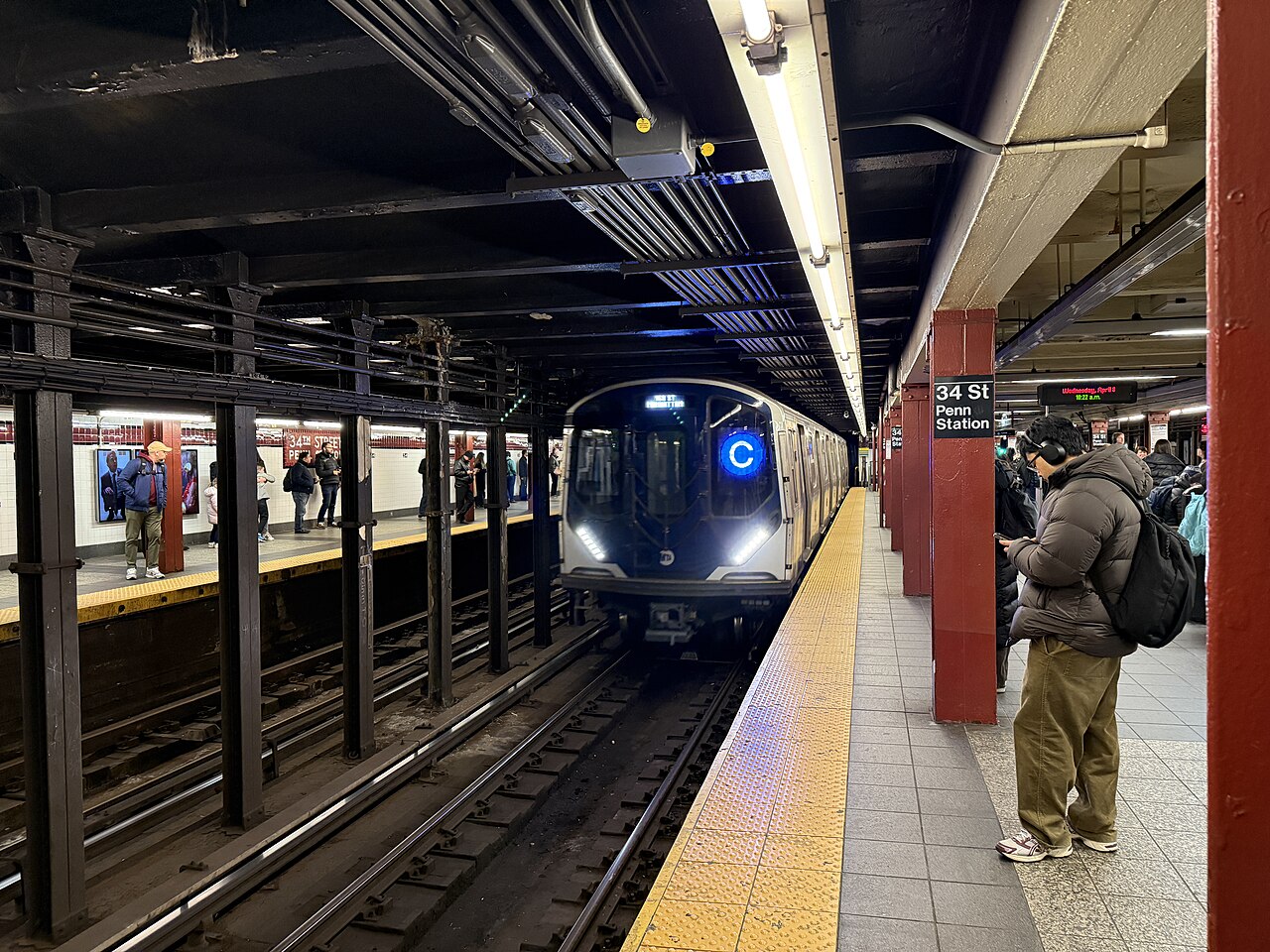
MTA budget data reveals that the nation’s largest transit system lost $1 billion to fare evasion in 2024 — triple the pre-pandemic rate — while ridership remains below 2019 levels and operating costs continue to climb. A forensic analysis of the numbers behind the crisis.
The Billion-Dollar Loss
In 2024, the Metropolitan Transportation Authority lost an estimated $1 billion to fare evasion across its subway, bus, commuter rail, and bridge and tunnel systems. The breakdown: $568 million in unpaid bus fares, $350 million in unpaid subway fares, at least $46 million in unpaid commuter rail fares, and at least $51 million in unpaid bridge and tunnel tolls.
The scale of the loss is staggering by historical standards. In 2019, before the pandemic, fare evasion cost the MTA approximately $305 million. By 2022, losses had doubled to $600 million. The 2024 figure of $918 million in subway and bus evasion alone represents a tripling of pre-pandemic losses — and the Citizens Budget Commission projects $900 million in continued evasion losses in 2025.
The Evasion Epidemic
Bus fare evasion rates reached 48% in Q3 2024 — meaning nearly half of all bus riders simply didn’t pay. The rate declined modestly to 44% by Q2 2025 following a Blue-Ribbon Panel’s recommendations, but the baseline remains catastrophic for an agency that depends on fare revenue to fund operations.
Subway evasion showed a 26% decline between June and December 2024 after targeted enforcement efforts, but unpaid subway ridership had more than doubled between 2019 and 2024. Strategic deployment of enforcement officers, turnstile modifications, and anti-evasion infrastructure represented expensive retrofits to a system that was designed around the assumption that riders would pay.
The Revenue Crunch
With ridership still below pre-pandemic levels, the MTA faces a structural revenue gap that fare evasion widens into a crisis. Fares and tolls — traditionally the system’s primary revenue source — have fallen below pre-pandemic levels. State-dedicated tax support has increased to compensate, now accounting for approximately 12% of total revenue at $2.6 billion. Congestion pricing was implemented to generate additional revenue, but the program faced legal challenges and political opposition that delayed and reduced its projected impact.
The Operational Squeeze
On the cost side, union contracts, pension obligations, and infrastructure maintenance create a spending floor that doesn’t flex with revenue. Service reductions — the traditional response to budget shortfalls — risk accelerating the ridership decline by making transit less useful for the riders who do pay. It’s the classic death spiral: fewer riders mean less revenue, which means worse service, which means fewer riders.
The MTA’s predicament is a case study in what happens when progressive criminal justice policies — reluctance to prosecute fare evasion, reduced police presence in transit, tolerance of quality-of-life offenses — collide with the financial realities of operating a system that 3.5 million people depend on daily. The billion dollars lost to evasion in 2024 could have funded significant service improvements, maintenance projects, or fare reductions for the riders who actually pay.
Eduardo Bacci is an investigative journalist at The Investigative Journal. Data sources include Citizens Budget Commission analysis, MTA financial statements, and transit ridership databases.