

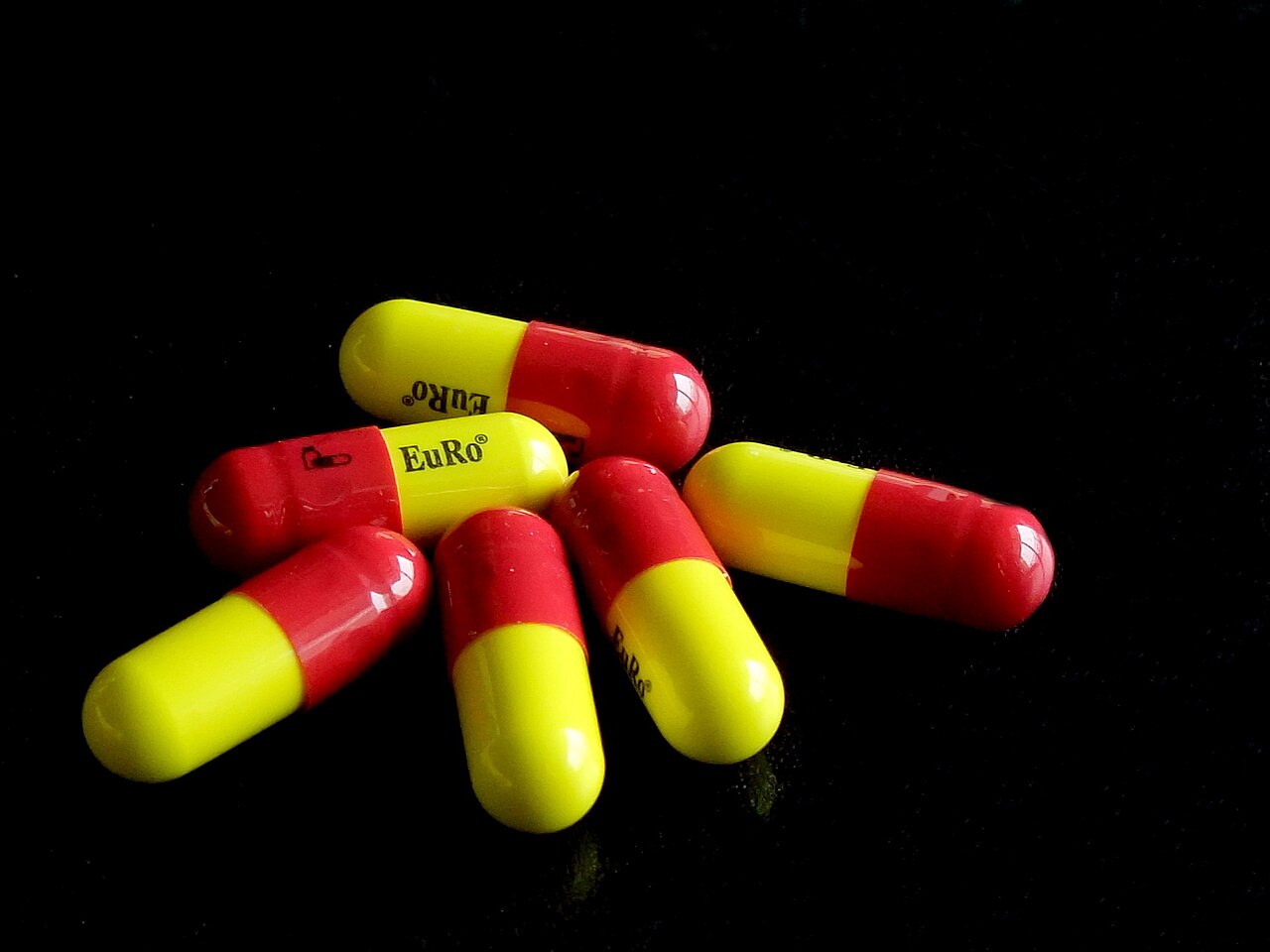
While Congress debated federal drug pricing, pharmaceutical companies quietly deployed a record lobbying offensive at the state level — targeting generic drug legislation and PBM reform in at least 24 states. An investigation into the money, the methods, and the bills that died.
Image directive: Create a bar chart showing pharmaceutical lobbying spending by year (2020-2023), highlighting the 2022 record of $372 million. Alternatively, search Unsplash for “prescription pills money” or “state capitol building.”
The Statehouse Strategy
In 2022, the pharmaceutical and health products industry set a federal lobbying record: over $372 million spent in Washington, according to disclosure filings. But the real story in 2023 wasn’t happening in Congress — it was playing out in state capitols across the country, where drug companies waged an aggressive and largely invisible campaign to block legislation that would have lowered prescription drug costs for millions of Americans.
Pfizer alone reported $14.36 million in federal lobbying expenditures in 2023. But the company’s state-level presence was even more striking: active lobbying operations in at least 24 states, including Alabama, Alaska, Arizona, Arkansas, California, Colorado, Connecticut, Delaware, Florida, Georgia, Hawaii, New Hampshire, New Jersey, New Mexico, New York, North Carolina, North Dakota, South Carolina, South Dakota, Virginia, and West Virginia.
The PBM Battleground
The primary target of the pharmaceutical industry’s state-level offensive was Pharmacy Benefit Manager reform. PBMs — the middlemen who negotiate drug prices between manufacturers, insurers, and pharmacies — have become one of the most lucrative and least transparent actors in American healthcare. In 2023, the PBM industry’s gross-to-net bubble for brand-name drugs reached $334 billion, an increase of $30 billion from 2022. Total U.S. spending on prescription drugs hit $650 billion.
The opacity of PBM pricing creates enormous profit opportunities. PBMs engage in “spread pricing” — paying pharmacies less than they charge health plans for the same drugs, pocketing the difference. An investigation found that PBMs retained nearly $1.6 billion in excess revenue on just two cancer drugs in under three years.
State legislators in at least a dozen states introduced bills to regulate PBM pricing practices, require pricing transparency, and restrict spread pricing. The pharmaceutical industry — which has a complicated relationship with PBMs that is part adversarial, part symbiotic — mobilized to shape these reforms in ways that protected industry margins.
The Legislative Casualties
The results were predictable. In California, Governor Gavin Newsom vetoed PBM regulation bills in 2024, following intense industry lobbying in 2023 that framed the proposals as threats to consumer choice. In New York and Massachusetts, similar legislation stalled in committee after pharmaceutical and PBM lobbyists raised concerns about market disruption.
The PBM Accountability Project — a coalition that includes pharmacy lobbying groups like the National Community Pharmacists Association — spent over $1 million on advertising in 2023, trying to build public pressure for reform. But a million dollars is a rounding error when the industry on the other side is spending hundreds of millions.
A GAO analysis found that at least five states successfully enacted laws regulating PBM pricing and pharmacy reimbursement. But these victories were the exception, not the rule — and even the laws that passed were often watered down during the legislative process by industry-friendly amendments.
The Generic Drug Blockade
Beyond PBM reform, pharmaceutical companies targeted state-level generic drug legislation — bills that would have made it easier for pharmacists to substitute cheaper generic alternatives for brand-name prescriptions. The industry’s argument was framed around patient safety: that pharmacists shouldn’t make substitution decisions without physician approval. The financial reality was simpler — every generic substitution represents lost revenue for the brand-name manufacturer.
The state lobbying model offers distinct advantages over federal lobbying. State legislatures receive less media scrutiny, have smaller staffs with less policy expertise, and individual legislators are far cheaper to influence. A pharmaceutical company that might spend millions to move the needle in Congress can achieve the same result in a state capitol for a fraction of the cost — and do it in 24 states simultaneously.
The Invisible Offensive
The pharmaceutical industry’s 2023 state lobbying surge was not a secret — the filings are public, the expenditures are disclosed. But the sheer volume and geographic spread of the campaign received almost no national media attention. The healthcare press covered federal drug pricing debates. State capitols covered their local fights. Nobody connected the dots to reveal the coordinated national strategy.
That’s exactly how the industry wants it. When each state fight looks local, the pattern stays hidden. And when the pattern stays hidden, the money keeps flowing.
Eduardo Bacci is an investigative journalist at The Investigative Journal. Data sources include OpenSecrets lobbying databases, state ethics commission disclosures, GAO analysis reports, and corporate quarterly filings.