

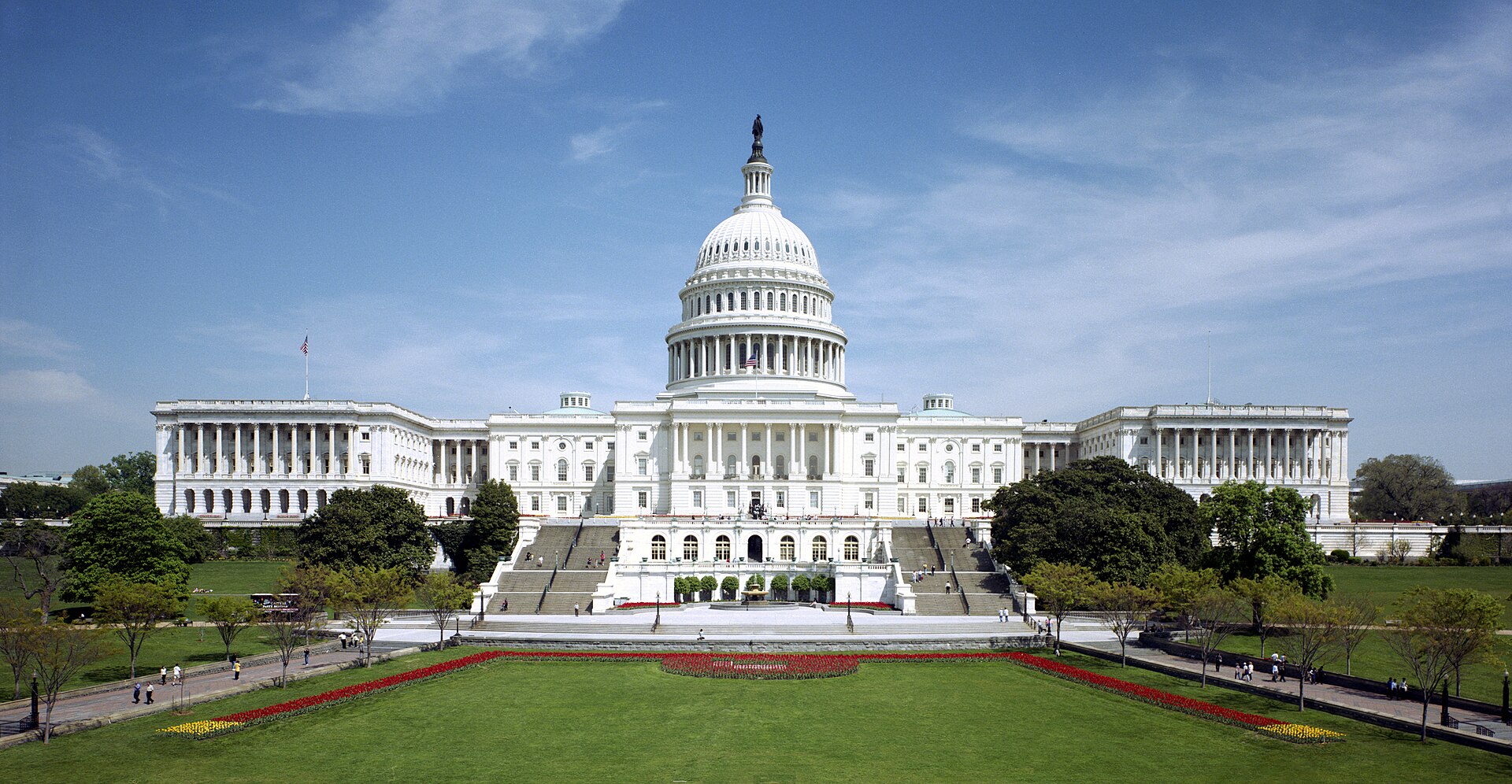
The Capitol was quiet to open the week — the House and Senate each gaveled in for brief pro forma sessions on Monday, with no votes and no committee business in Washington — but the machinery of Congress is starting to turn again. According to the House Press Gallery, the chamber’s next votes are expected Monday, August 31, an earlier-than-usual end to the district work period that tees up a September defined by a government funding showdown, a sanctions push, and a stack of oversight deadlines. Here is where things stand, based on official records, schedules, and public filings.
Two stopgaps, one deadline: the December funding question heads back to the House
The defining fight of the fall is already on paper. Before adjourning in the early morning hours of August 8, the Senate passed a clean continuing resolution by a vote of 90 to 6 that would fund the federal government through December 11, according to an announcement from Sen. Kevin Cramer (R-N.D.). The measure extends surface transportation programs and carries targeted adjustments for the WIC nutrition program, Navy shipbuilding accounts, and the Disaster Relief Fund. The National Association of Counties notes the bill would also delay, for the duration of the stopgap, a proposed Office of Management and Budget rule that would change the federal grant process.
The House, however, left town on a different track. On July 21 it passed its own stopgap, H.R. 9770, the Continuing Appropriations Act, 2027, on a 220–205 vote recorded as Roll Call 272, with funding running through December 4. NPR reported that Rep. Thomas Massie (R-Ky.) was the lone Republican opposed while six Democrats crossed over in support, and Roll Call noted at the time that the measure was headed for a Senate rewrite — which is exactly what happened.
The two chambers must now reconcile the December 4 and December 11 end dates, along with the Senate’s funding adjustments, before appropriations lapse on September 30. The Congressional Budget Office scored the Senate version on August 5, estimating discretionary spending under the extension on an annualized basis and treating the bill’s later divisions as authorizing law. NBC News reported that Senate leaders framed the deal as a way to push the funding fight past October and avoid a shutdown in the run-up to the midterm elections — a live concern after two funding lapses earlier this year, including a months-long lapse limited to the Department of Homeland Security. The House’s August 31 return suggests leadership intends to resolve the question with September to spare; whether rank-and-file members accept the Senate’s changes is the open variable.
Senate clears Russia–Iran sanctions package, 86–11, named for the late Lindsey Graham
In its final full day of business before recess, the Senate on August 7 passed the Lindsey O. Graham Sanctioning Russia and Iran Act of 2026 (S. 5025) by a vote of 86 to 11, according to Senate records and member statements. The bill is named for Sen. Lindsey Graham (R-S.C.), who died unexpectedly on July 11 and who, per Cramer’s office, had finalized an agreement with the White House on the package before his passing. His sister, Sen. Darline Graham (R-S.C.), carried the legislation to passage. CBS News noted the measure had been stalled for more than a year before the August vote.
Substantively, the act imposes primary and secondary sanctions on Russia’s financial network, targets the so-called shadow fleet of shell corporations and repurposed maritime infrastructure used to move sanctioned oil, and reaches Russian officials, oligarchs, family members, and financial institutions. It extends the Iran Sanctions Act of 1996 and strengthens penalties on entities investing in Iran’s energy sector. Most notably for trade policy, it authorizes the president to impose tariffs of up to 100 percent on imports from the five largest purchasers of Russian oil and natural gas. Radio Free Europe/Radio Liberty reports that House backers are now pushing to take up the package this fall; the House has not yet scheduled floor action.
Today on the schedule: field hearing on military families and school enrollment
The one committee event on today’s congressional calendar takes place far from Washington. The House Education and Workforce Committee convenes a field hearing at 11:30 a.m. in Richmond, Michigan, titled “Deployed, Not Disqualified: Defending Servicemembers in Our Schools,” according to the official House legislative activity schedule. The hearing examines how state and local residency requirements can complicate school enrollment for children of deployed servicemembers, who may be living with grandparents or other guardians during a parent’s deployment.
A preview from Legis1 indicates members will also scrutinize education options for military families, including proposals for military-specific school choice programs. Recess-period field hearings rarely draw headlines, but they frequently seed provisions that surface later in defense authorization and education measures; testimony from this session is worth watching when the committee posts it.
Oversight: Comer demands answers from Becerra over Fauci’s diary and phone
House Oversight and Government Reform Chairman James Comer (R-Ky.) is pressing former Health and Human Services Secretary Xavier Becerra over records the committee says were withheld from its COVID-19 investigation. In an August 19 letter, the committee states that its Select Subcommittee on the Coronavirus Pandemic requested documents from Dr. Anthony Fauci in November 2023 using search terms including “COVID-19,” “gain-of-function,” and “Wuhan” — and that a diary Fauci composed on government-issued computers between 2019 and 2022, along with his phone, was never produced or acknowledged. The letter gives Becerra two weeks to answer questions, putting the deadline in the first days of September.
These are the committee’s characterizations of the production record, not adjudicated findings, and no public response from Becerra had been posted by the committee as of this writing. The letter lands amid an escalating records fight: Comer said in a July 29 statement that Fauci invoked the Fifth Amendment at a Senate hearing that day, and the committee has continued releasing transcribed interviews from its parallel review of the federal Epstein investigations, including the July 29 release of former White House counsel Kathryn Ruemmler’s interview transcript. Expect document-production disputes — and possible enforcement questions — to dominate the committee’s September docket.
New inquiry: McKinsey’s DEI advocacy under the microscope
On August 17, Rep. Brandon Gill (R-Texas), chairman of the Oversight Committee’s Task Force on Defending Constitutional Rights and Exposing Institutional Abuses, opened an investigation into McKinsey & Company over the consulting firm’s promotion of diversity, equity, and inclusion practices. According to the task force’s announcement, the inquiry centers on McKinsey research reports that, in the committee’s telling, encouraged American companies and fiduciaries to weigh diversity considerations in hiring and investment decisions.
The investigation is at the letter-and-document-request stage; no hearing has been noticed and no findings have been issued. McKinsey has publicly defended its workplace research in the past, and the firm’s response to the committee was not posted as of publication. The inquiry extends a pattern this Congress of committee scrutiny aimed at private-sector DEI programs, following the task force’s July hearing on the American Bar Association’s law school accreditation standards.
CBO: deficit hits $1.8 trillion through ten months
The fiscal backdrop for the December funding decisions darkened this month. In its latest Monthly Budget Review, the Congressional Budget Office estimates the federal deficit reached $1.8 trillion over the first ten months of fiscal year 2026 — $169 billion more than the deficit recorded over the same period a year earlier. The figures are estimates and will be superseded by Treasury’s official year-end statement, but the trajectory gives deficit hawks in both chambers fresh ammunition heading into the appropriations endgame.
The numbers matter for more than rhetoric. Whichever stopgap prevails, Congress must still write full-year fiscal 2027 bills by mid-December, and the widening deficit will shape fights over topline spending levels, emergency designations, and the offsets demanded for any add-ons.
FY27 appropriations: Senate committee work stalls
The reason a stopgap is needed at all: the annual appropriations process remains well behind schedule. The Senate Appropriations Committee’s bipartisan approach has produced only limited output — the committee approved its Interior-Environment and Transportation-HUD bills earlier this cycle — and the National Low Income Housing Coalition reports that negotiations over overall discretionary levels have delayed release of the remaining fiscal 2027 measures, leaving the committee short of its goal of clearing all twelve bills before recess.
The Committee for a Responsible Federal Budget’s Appropriations Watch tracker is the cleanest way to follow the state of play as both chambers return. Cramer’s office cast the Senate CR as buying appropriators “additional time to complete work” on the annual bills — a familiar formula that, in recent years, has as often ended in omnibus packages as in regular order.
What’s ahead
The House is expected to vote next on Monday, August 31, with the Senate-amended continuing resolution the likely first order of business; the Senate is due back after Labor Day and will hold pro forma sessions in the meantime, per the Senate Daily Press schedule. Becerra’s response to the Oversight Committee is due in the first week of September. And the hard deadline remains fixed: absent enactment of a stopgap, appropriations lapse October 1.
On TIJ’s beats
Three threads from this digest connect to our ongoing accountability coverage. First, the Government Accountability Office delivered its first report to the Oversight Committee on fraud risks in federally funded, state-administered programs in July — a data-rich foundation for reporting on improper payments in programs where federal dollars flow through state agencies with uneven controls. Second, the Oversight Committee’s Epstein review continues to generate primary-source material, including transcribed interviews and estate records, that rewards careful document work. Third, the Senate CR’s delay of the OMB grant-process rule, flagged by county governments, raises questions about which grant-transparency requirements are being paused and who benefits — a topic we will examine as the stopgap moves.
Methodology and right of reply: This digest is compiled from official congressional records, committee publications, CBO documents, and cited news reports. Committee letters and investigation announcements referenced here are allegations and inquiries, not findings. Individuals and organizations named in oversight matters — including former Secretary Becerra and McKinsey & Company — are invited to respond; TIJ will note responses in future editions. Featured image: U.S. Capitol west front, Architect of the Capitol via Wikimedia Commons (public domain).