

WASHINGTON — The Environmental Protection Agency dominates today’s Federal Register with a two-part action that would substantially unwind federal regulation of carbon dioxide emissions from the nation’s power plants: a 163-page final rule repealing most of the 2024 Carbon Pollution Standards, published alongside a 143-page supplemental proposal that would go further and rescind the agency’s authority findings underpinning all greenhouse gas standards for the sector. The September 17 issue also carries a notable Food and Drug Administration decision on artificial-intelligence radiology devices, a fresh round of export-enforcement orders against three Russian airlines, a significant change to how stock exchanges split market-data revenue, and final dumping margins on Vietnamese oil-field pipe. According to the Office of the Federal Register’s public-inspection docket, the regular filing for today’s issue comprised 71 documents from 38 agencies.
EPA finalizes partial repeal of power plant carbon standards
In the day’s most consequential action, the EPA published a final rule repealing most provisions of the 2024 Carbon Pollution Standards for fossil fuel-fired electric generating units. The rule text states the agency is repealing the emission guidelines for existing fossil fuel-fired steam generating units (40 CFR part 60, subpart UUUUb), the carbon capture and sequestration (CCS)-based standards for coal-fired units undertaking a large modification, and the CCS-based “Phase 2” standards for new base-load stationary combustion turbines. The rule takes effect 60 days after publication — November 16, 2026.
The agency’s stated basis is technical as much as legal: the filing says the EPA is finalizing determinations that 90 percent carbon capture “has not been adequately demonstrated,” that its costs are not reasonable, and that the degree of emission limitation is not achievable — including a finding that the infrastructure necessary for CCS is unlikely to be deployable by the January 1, 2032 compliance date set in the 2024 rule. Notably, the final rule leaves in place the 2024 “Phase 1” efficiency-based standards for new combustion turbines, though the agency acknowledges commenters’ concerns about those standards and points to its companion proposal as the vehicle that would resolve them.
The economic stakes are large by the agency’s own accounting. Per the regulatory impact analysis cited in the rule, the present value of estimated compliance cost savings for the power sector over 2026–2047 is $160 billion at a 3 percent discount rate ($95 billion at 7 percent), and the estimated “real resource” cost savings — the full avoided expenditure on physical and labor inputs — is $280 billion at 3 percent ($180 billion at 7 percent), in 2024 dollars discounted to 2025. Administrator Lee Zeldin announced the signing of both actions on September 14, according to national coverage, which also reported that environmental organizations intend to challenge the repeal in court. The docket is EPA-HQ-OAR-2025-0124; agency materials are posted on the EPA’s program page.
Companion proposal would end all power plant GHG rules — comments due November 1
Published concurrently, the EPA’s supplemental notice of proposed rulemaking would finish the job the final rule starts. The proposal states that Clean Air Act section 111 “does not authorize the EPA to regulate emissions from power plants in response to global climate change concerns,” and on that basis would rescind the administrator’s 2015 findings for the source category and repeal all associated 2015 and 2024 greenhouse gas standards — including the Phase 1 efficiency standards the final rule leaves untouched.
For businesses, states, and advocacy groups looking to weigh in, the clock is short: comments must be received within 45 days of publication — November 1, 2026 — identified by Docket ID No. EPA-HQ-OAR-2025-0124 at regulations.gov. The EPA will hold a virtual public hearing on October 1, 2026, with speaker pre-registration closing September 29 and each commenter allotted four minutes, per the filing. Comments on the information-collection provisions are best assured of consideration if the Office of Management and Budget receives them by October 17.
The two-track structure matters for litigation watchers. The agency states it is “not reopening” the final rule through the supplemental proposal, which walls off the finalized repeal from the new comment period — a sequencing choice that, records suggest, is designed to let the partial repeal take effect while the broader statutory-authority question proceeds on a separate timetable.
FDA declines to ease premarket review for AI radiology tools
The FDA published a final order denying a petition that sought to exempt several categories of radiology artificial-intelligence software from premarket notification — the 510(k) clearance process. The petition, filed October 22, 2025 by Rubrum Advising on behalf of medical-AI developer Harrison.ai, asked the agency to waive 510(k) requirements for computer-aided detection, diagnosis, and triage devices (21 CFR 892.2060, 892.2070, 892.2080, and 892.2090) for manufacturers that already hold a prior clearance and maintain post-market monitoring, transparency, and training measures.
After a comment period that closed February 27, 2026, the agency determined the petition “does not demonstrate that premarket notification is not necessary to assure the safety and effectiveness” of the devices, according to the order, and denied the request by letter on April 1, 2026. The practical effect: makers of radiology CAD and triage software must continue to obtain FDA clearance for each device before marketing it. The order is effective on publication; the docket is FDA-2025-P-5560.
The decision is a data point against the assumption that the current deregulatory climate extends uniformly across agencies. Even while declining the exemption, the FDA stated it remains committed to “innovative and least burdensome approaches” for digital health — language that leaves the door open to narrower accommodations short of waiving premarket review.
Commerce renews export bans on Aeroflot, Azur Air, and UTair
The Bureau of Industry and Security published one-year renewals of the temporary denial orders against Russian carriers PJSC Aeroflot, Azur Air, and UTair Aviation JSC, cutting the airlines off from virtually all items subject to the Export Administration Regulations except safety-of-flight transactions specifically authorized by BIS. The Aeroflot order — the sixth extension of a denial order first issued April 7, 2022 — was signed September 11, 2026 and took effect immediately.
The renewal record reads like a flight log. Citing publicly available flight-tracking information, BIS documents Aeroflot’s continued operation of U.S.-origin Boeing 737 and 777 aircraft on international routes as recently as mid-July 2026 — including flights between Russia and Antalya, Hurghada, Sharm el-Sheikh, Phuket, Bangkok, Malé, and Minsk — conduct the order describes as “significant and deliberate” violations of the regulations and the prior denial order. The order notes that no opposition to the renewal was received from the airline.
Beyond the airlines themselves, the orders bind third parties: no person may export, service, finance, or otherwise facilitate transactions involving EAR-subject items for the named carriers, and related companies can be added to the orders after notice and comment. For the maintenance, parts, and leasing ecosystem that touches Russian aviation through third countries, filings like these are the enforcement perimeter.
SEC caps “quote-to-trade” payouts in the consolidated tape revenue split
The Securities and Exchange Commission published an order approving the Third Amendment to the national market system plan governing consolidated equity market data, imposing a 5-to-1 cap on the ratio of quoting-based to trading-based revenue any exchange can collect from the data pool. According to the plan’s operating committee, some venues had exhibited quote-to-trade ratios far outside historical norms — in one case approximately 107-to-1 on Tape A in 2024 — generating what the committee called “extreme distortions” in how tens of millions of dollars in market-data revenue were allocated, while members historically maintained ratios substantially below 5-to-1.
The amendment redistributes above-cap quoting revenue to other plan members and includes a de minimis exception for venues whose quote-based payments do not exceed $50,000 in a calendar year, with FINRA excluded from the cap. The approval drew a dissent in the record: Long Term Stock Exchange — the venue whose ratios featured prominently in the committee’s data — argued the change is “unsupported and controversial,” while other commenters, including SIFMA and a proprietary trading group, argued the fix does not go far enough and pressed for a broader overhaul of the formula, which the operating committee has committed to reviewing. The order lands as the Commission separately weighs rescinding Rule 611, the order-protection rule, a proposal whose comment period closed August 17.
15.52 percent dumping margin on Vietnamese oil-field pipe
Commerce’s International Trade Administration published the final results of its 2023–2024 administrative review of the antidumping duty order on oil country tubular goods from Vietnam, determining that SeAH Steel VINA Corporation sold the steel pipe used in oil and gas wells at less than normal value during the September 2023–August 2024 review period. The final weighted-average dumping margin is 15.52 percent, which becomes the cash-deposit rate for SeAH VINA’s entries upon publication.
The filing carries a sharper number for everyone else: Vietnamese exporters that have not established a separate rate face the Vietnam-wide entity rate of 111.47 percent, and Commerce states it will instruct Customs and Border Protection to liquidate certain intermediary-routed entries at that rate. Domestic producers Axis Pipe and Tube, Borusan Pipe US, Vallourec Star, and Welded Tube USA participated in the review — a reminder that AD/CVD enforcement on tubular steel remains one of the most actively litigated corners of trade law as U.S. drilling demand holds up.
Also in today’s issue
The Consumer Product Safety Commission finalized the revocation of rules it identified as obsolete covering infant bouncer seats and stationary activity centers. The Federal Trade Commission published its periodic list of early terminations granted under the premerger notification rules — the running public record of which deals cleared Hart-Scott-Rodino review ahead of schedule. The Federal Highway Administration issued a notice of final federal agency actions on proposed highway projects in Texas, the filing that opens the limitations window for court challenges to those approvals. And the National Archives published its latest batch of records schedules — the mechanism by which federal agencies obtain authority to destroy or transfer government records.
One process footnote worth flagging: a notice from the Advisory Council on Historic Preservation rescinding its procedures for implementing the National Environmental Policy Act was placed on public inspection and then withdrawn at the agency’s request, according to an editorial note from the Office of the Federal Register; the withdrawn document remains viewable through the close of business today.
On TIJ’s radar
Three threads from today’s issue feed directly into this publication’s accountability beats. First, the EPA’s two-track carbon action sets up a major administrative-law test — we will track the docket, the October 1 hearing, and the court filings that national coverage indicates are coming. Second, the BIS renewal orders document, in unusual granularity, how sanctioned Russian carriers continue flying U.S.-origin aircraft through third countries; the third-country maintenance and parts pipeline named in these filings merits deeper reporting. Third, the Vietnam OCTG results — with a 111.47 percent country-wide rate — keep steel transshipment and country-of-origin enforcement squarely in view. Readers with documented tips on any of these fronts can reach the desk through our contact page.
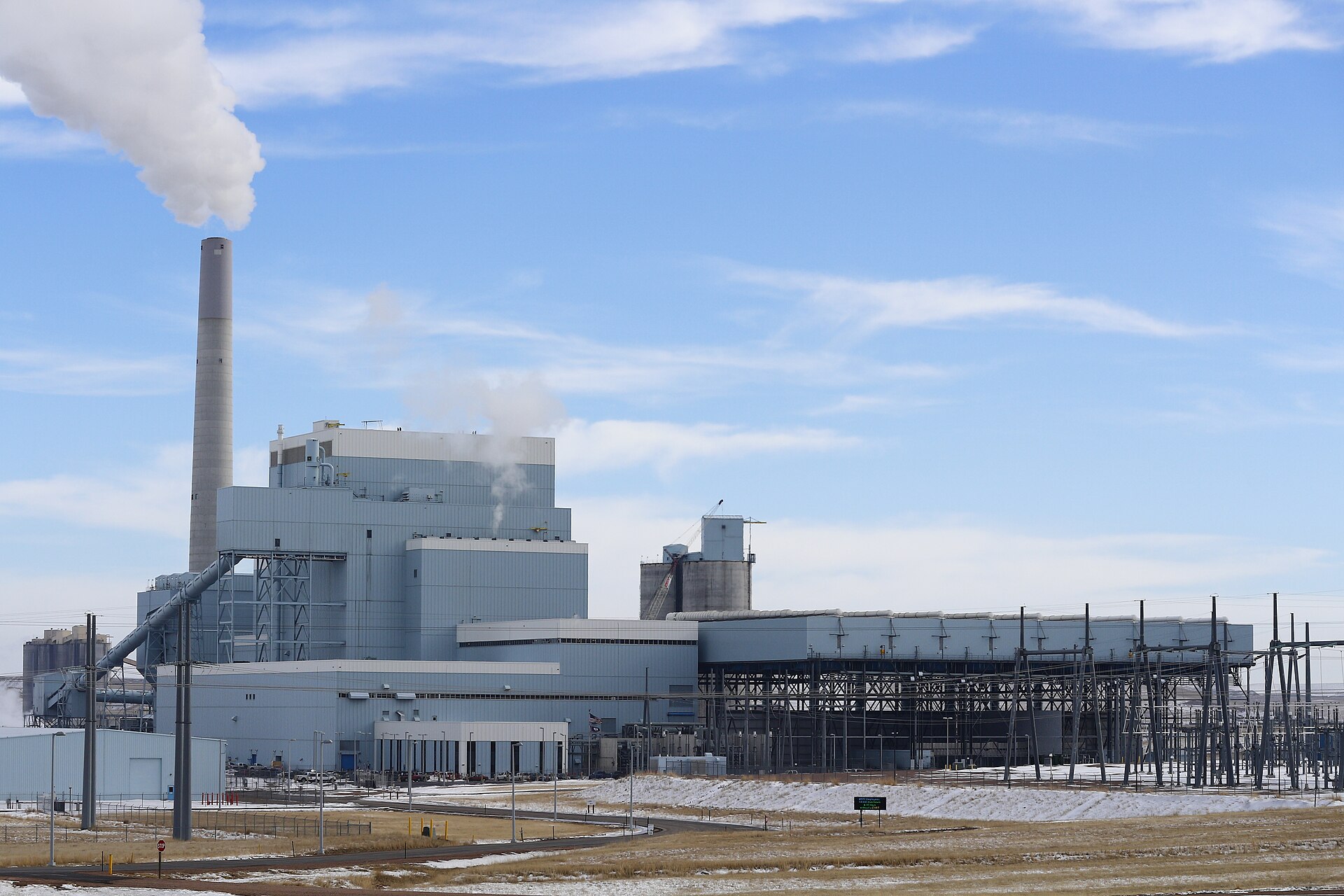
This digest summarizes official filings scheduled for publication in the Federal Register of September 17, 2026, and linked primary records. Companies and organizations named here are described solely on the basis of those public records; any party named may submit a statement or correction to The Investigative Journal for publication. Featured image: Dry Fork Station, Campbell County, Wyoming — Wikimedia Commons (CC0, public domain dedication).
Sources
- EPA — Partial Repeal of the Carbon Pollution Standards for Fossil Fuel-Fired Electric Generating Units (final rule)
- EPA — Rescission of the Greenhouse Gas Findings for Fossil Fuel-Fired Power Plants (supplemental proposal)
- EPA — Greenhouse Gas Standards and Guidelines for Fossil Fuel-Fired Power Plants (program page)
- FDA — Medical Devices; Exemption from Premarket Notification: Radiology CAD and Triage Devices (final order)
- BIS — Order Renewing Temporary Denial of Export Privileges: PJSC Aeroflot
- BIS — Order Renewing Temporary Denial of Export Privileges: Azur Air
- BIS — Order Renewing Temporary Denial of Export Privileges: UTair Aviation JSC
- SEC — Order Approving the Third Amendment to the CT Plan (Release No. 34-106349)
- Commerce/ITA — OCTG from Vietnam: Final Results of Antidumping Duty Administrative Review, 2023–2024
- Office of the Federal Register — Public Inspection listing for the September 17, 2026 issue
- The Washington Post — EPA repeals Biden-era rules limiting power plants’ climate emissions
- CNN — Trump administration removes climate pollution limits on power plants